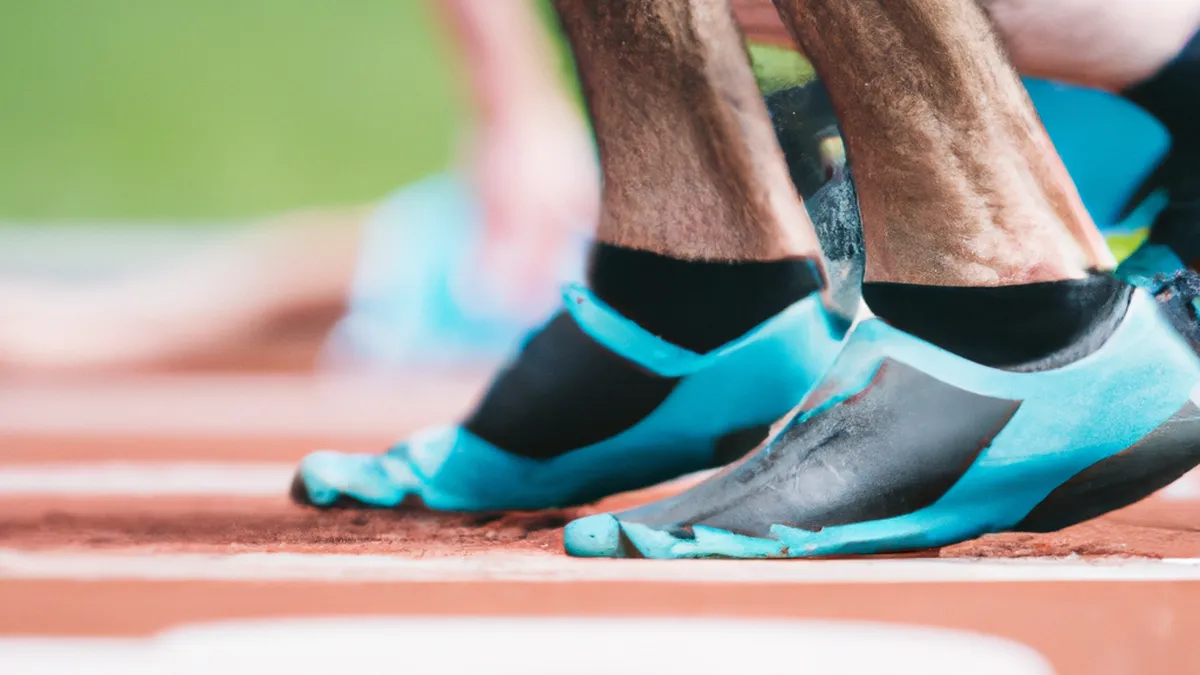
6 Elite Coaching Tips for Sprinter Development
Techniques for Coaching Elite Athletes in Sprint EventsCoaching elite sprinters demands science, strategy, and psychology. Events like the 100m and 200m require explosive speed, precise technique, and mental toughness. Coaches must use effective techniques tailored to sprinters’ specific needs. This blog post explores coaching techniques, tips, and benefits that enhance sprint performance.
As an Amazon Associate I earn from qualifying purchases.
Gear tip: consider running shoes, gps running watch, and heart rate strap to support this topic.
Understanding the Sprinter’s Needs
Sprinting involves more than just running fast. Coaches must master biomechanics, strength, and speed endurance. First, understand each athlete’s unique needs. Each sprinter possesses individual strengths and weaknesses. Therefore, personalized training programs are essential.
Assessing Athletes
Begin with thorough assessments. Include physical tests, sprint drills, and video analysis. Evaluate speed, stride length, and technique to create tailored training plans. Regular assessments track progress and inform necessary adjustments. Use timing gates and motion capture technology for detailed performance metrics.
Setting Clear Goals
Setting goals proves crucial in sprint coaching. Collaborate with athletes to establish SMART goals—Specific, Measurable, Achievable, Relevant, and Time-bound. Clear goals provide direction and motivation. They help athletes focus on specific performance aspects. For example, an athlete might aim to reduce their 100m time by a percentage next season or improve reaction time at the race’s start.
Training Techniques for Sprinters
Effective training techniques form the backbone of successful sprinting. Consider these key methods.
Speed Work
Incorporate speed work into training. Include short sprints of 30-60 meters at maximum effort. These drills enhance acceleration and top-end speed. Use resistance training with sleds or hill sprints to build strength and power. Periodize speed work to develop different speed aspects, such as acceleration and maximum velocity.
Plyometrics
Plyometric exercises improve explosive strength. Include box jumps, depth jumps, and bounding to develop necessary power for strong starts. These exercises increase the rate of force development, crucial for sprint performance. Regular plyometrics enhance muscle elasticity, reaction time, and overall explosiveness.
Technique Drills
Focus on technique drills to refine sprinting form. Encourage athletes to practice high knees, butt kicks, and arm swings. These drills improve coordination and establish efficient running styles. Use video feedback to enhance awareness and correct form. Emphasize maintaining a relaxed upper body and proper arm mechanics to maximize speed.
Strength Training
Incorporate strength training into the regimen. A well-rounded strength program builds essential muscle for sprinting success.
Conclusion
In conclusion, effective coaching techniques foster elite sprinter performance. Understanding athletes’ needs and implementing tailored training methods enhance success in sprint events.
Below are related products based on this post:
FAQ
What are the key components of coaching elite sprinters?
Coaching elite sprinters involves understanding biomechanics, strength, and speed endurance. It requires a personalized approach to training that addresses each athlete’s unique strengths and weaknesses. Effective coaching also includes setting clear goals and regular assessments to track progress.
How important is goal setting in sprint coaching?
Goal setting is crucial in sprint coaching as it provides direction and motivation for athletes. Collaborating with athletes to establish SMART goals helps them focus on specific performance aspects. This structured approach allows athletes to aim for measurable improvements, such as reducing their 100m time.
What training techniques are essential for sprinters?
Key training techniques for sprinters include speed work, plyometrics, technique drills, and strength training. Speed work enhances acceleration and top-end speed, while plyometrics improve explosive strength. Technique drills refine form, and strength training builds the necessary muscle for successful sprinting.













Post Comment