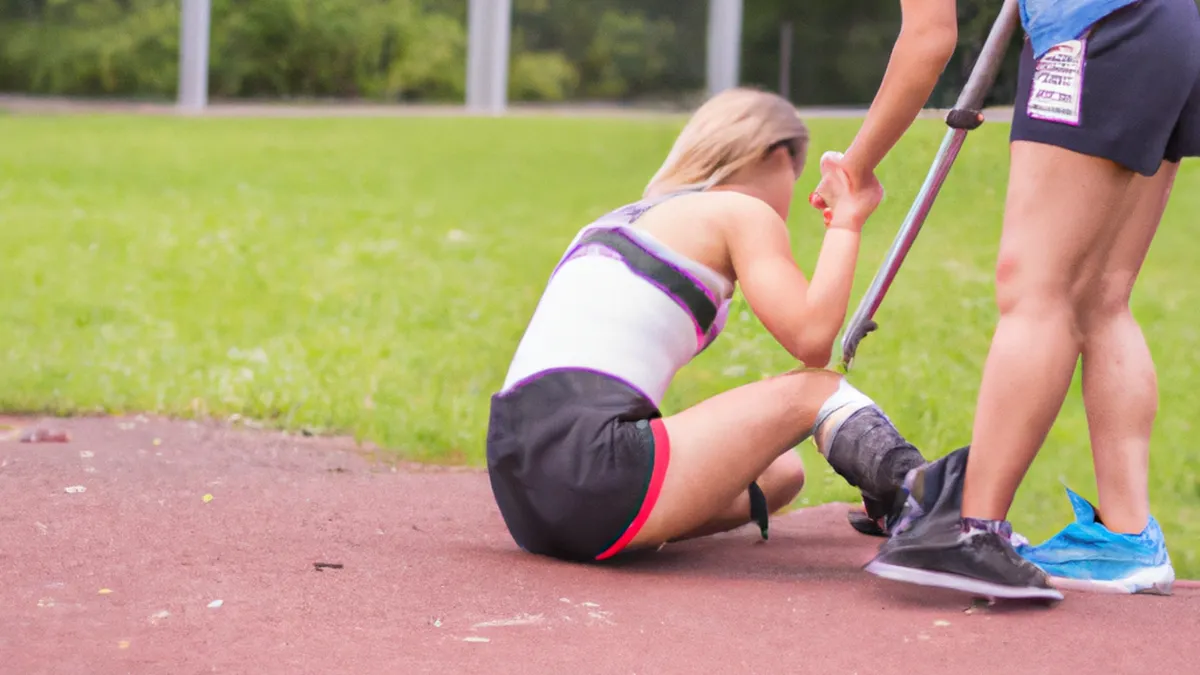
Rehab Challenges: Youth vs. Adult Athletes
Developing a Rehab Curriculum for Youth AthletesRehabilitation helps youth athletes recover from injuries. A structured rehab curriculum enhances recovery and improves performance. This blog outlines steps to create an effective program for young athletes.
As an Amazon Associate I earn from qualifying purchases.
Gear tip: consider knee brace, ankle brace, and patellar strap to support this topic.
Understanding the Unique Needs of Youth Athletes
Youth athletes differ from adults. Their bodies are still developing, which affects injury recovery. Recognizing these differences proves critical when creating a rehab curriculum.
Consider Physical Development
Young athletes experience growth phases. Their muscles, bones, and connective tissues remain underdeveloped, making them prone to injuries. For example, treat growth plate injuries differently than adult injuries. Tailor rehab exercises to their developmental stage. Focus on low-impact activities like flexibility exercises and gentle strength training.
Address Psychological Factors
Injuries impact a young athlete’s confidence and mental health. They may fear re-injury or feel disconnected from their sports. Integrate mental skills training into the rehab curriculum. Use techniques like visualization, positive self-talk, and mindfulness to reduce anxiety. Encourage athletes to express their feelings about their injuries to improve emotional management.
Ensure Parental Involvement
Parents play a vital role in rehabilitation. They provide emotional support, assist with logistics, and encourage adherence to programs. Communicate openly with parents about the rehab process and ways they can help. For instance, parents can assist with transportation, nutrition, and creating a supportive home environment.
Developing a Comprehensive Rehab Plan
A comprehensive rehab plan should include several key components. Each part must work together to facilitate recovery.
Assess the Injury Thoroughly
Thoroughly assess the athlete’s injury before creating a rehab plan. Understand the injury’s severity and type, along with any underlying issues. An accurate assessment guides rehabilitation exercises. Consult medical professionals, physical therapists, and trainers for a complete understanding of the athlete’s health.
Set Clear Goals
Establish clear, achievable goals for rehabilitation. Goals may include restoring range of motion, increasing strength, or enhancing balance. Collaborate with athletes on goal-setting to ensure they are realistic and time-bound. Involving athletes fosters ownership and motivation for the rehab process.
Create a Progressive Schedule
A progressive schedule allows athletes to gradually increase activity levels. Start with gentle exercises and progress as they heal.
Conclusion
In summary, developing a rehab curriculum for youth athletes requires understanding their unique needs, involving parents, and setting clear goals.
Below are related products based on this post:
FAQ
What are the unique needs of youth athletes in rehabilitation?
Youth athletes have bodies that are still developing, which affects their recovery from injuries. Their muscles, bones, and connective tissues are underdeveloped, making them more susceptible to injuries. It is essential to recognize these differences when creating a rehab curriculum tailored to their developmental stage.
How can psychological factors be addressed during rehabilitation?
Injuries can significantly impact a young athlete’s confidence and mental health. To address these psychological factors, it is important to integrate mental skills training into the rehab curriculum. Techniques such as visualization, positive self-talk, and mindfulness can help reduce anxiety and encourage athletes to express their feelings about their injuries.
Why is parental involvement important in a rehab program?
Parents play a crucial role in the rehabilitation process by providing emotional support and assisting with logistics. Open communication with parents about the rehab process can help them understand how to support their child effectively. They can assist with transportation, nutrition, and creating a supportive home environment to enhance adherence to the rehab program.













Post Comment