
Joint Health: Women vs Men in Strength & Endurance
Injury Patterns Unique to Women in Concurrent TrainingConcurrent training combines resistance and endurance exercises in one program. This method offers numerous benefits but presents unique challenges for women. Physiological and anatomical differences increase injury risk for women. Understanding these injury patterns helps develop effective prevention strategies and optimize training outcomes. This blog post explores common injuries among women, offers prevention tips, and highlights concurrent training benefits.
As an Amazon Associate I earn from qualifying purchases.
Gear tip: consider football, receiver gloves, and resistance bands set to support this topic.
Common Injury Patterns in Women
1. Knee Injuries
Knee injuries rank among the most common issues for women in concurrent training. Women often experience patellofemoral pain syndrome (PFPS). PFPS occurs when the kneecap does not track properly along the femur, causing pain. Wider pelvises increase women’s susceptibility to PFPS, altering lower extremity biomechanics. Hormonal fluctuations during the menstrual cycle also contribute to joint laxity, raising knee injury risk.
2. Hip Pain
Hip pain significantly affects women in concurrent training. Women commonly experience iliotibial band syndrome (ITBS). Tightness or inflammation in the iliotibial band causes pain on the outer side of the hip and knee. Wider pelvises complicate hip alignment, increasing overuse injury likelihood. Proper hip mechanics and surrounding muscle strength are crucial for prevention.
3. Lower Back Pain
Lower back pain frequently occurs in women participating in concurrent training. Muscle imbalances or weak core muscles often link to this issue. Women who prioritize endurance activities may neglect strength training, leading to weak core muscles. This imbalance can cause improper posture, increasing stress on the lumbar spine and resulting in pain during workouts.
4. Ankle and Foot Injuries
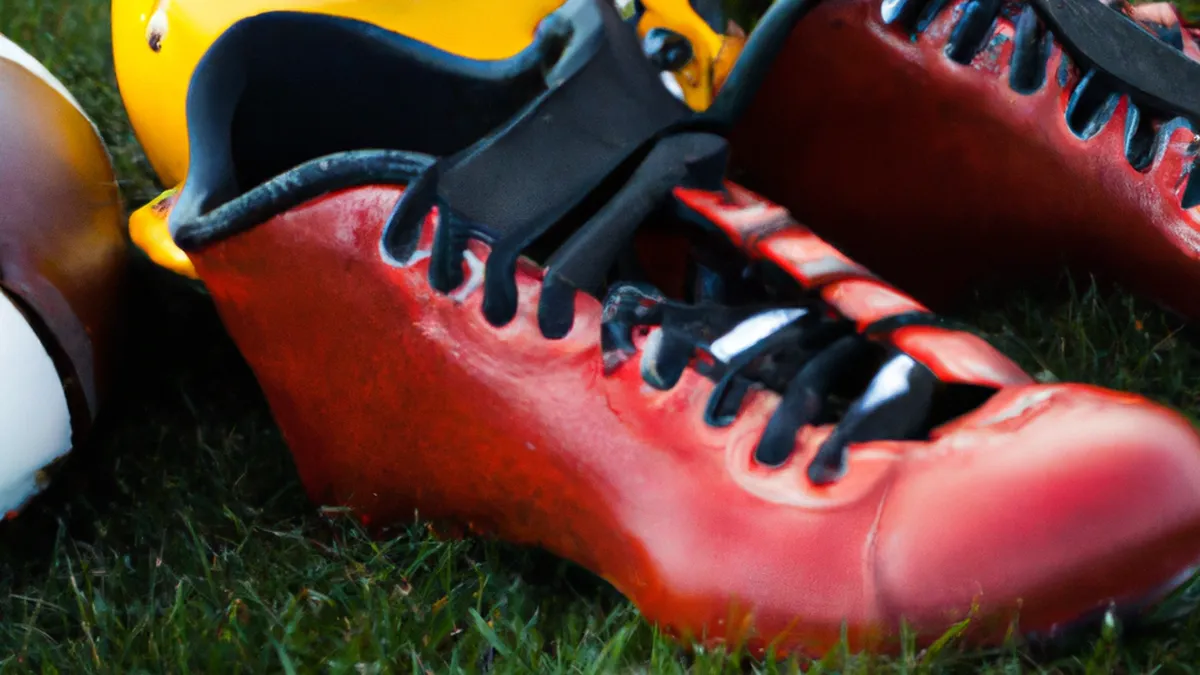
Women also face ankle and foot injuries during high-impact activities in concurrent training. Conditions like plantar fasciitis involve inflammation of the tissue connecting the heel bone to the toes. Improper footwear or poor training techniques can exacerbate this condition. Women should choose supportive footwear to prevent injuries.
Tips for Injury Prevention
Women can implement several strategies to reduce injury risk during concurrent training:
1. Warm-Up and Cool-Down
A proper warm-up and cool-down routine is essential for every training session. Warming up prepares muscles and joints for exercise, reducing injury risk. Women can use dynamic stretching, mobility exercises, and light aerobic activity to prepare their bodies. Similarly, a cool-down routine helps recovery.
Conclusion
Women face unique injury patterns in concurrent training due to physiological differences. Understanding these patterns allows for better prevention strategies and improved training outcomes.
Below are related products based on this post:
FAQ
What are the most common injuries women face in concurrent training?
Women commonly experience knee injuries, hip pain, lower back pain, and ankle and foot injuries during concurrent training. These injuries are often related to physiological and anatomical differences, which can increase the risk of injury. Understanding these patterns is crucial for effective prevention and training optimization.
How can women prevent knee injuries in concurrent training?
To prevent knee injuries, women should focus on proper biomechanics and strengthening exercises for the lower extremities. Warming up adequately and maintaining flexibility can help reduce the risk of conditions like patellofemoral pain syndrome. Additionally, being mindful of hormonal changes during the menstrual cycle can assist in injury prevention.
What role does strength training play in preventing lower back pain for women?
Strength training plays a vital role in preventing lower back pain by addressing muscle imbalances and strengthening the core. Women who focus primarily on endurance activities may neglect strength training, leading to weak core muscles. Incorporating strength training can improve posture and reduce stress on the lumbar spine, minimizing pain during workouts.












Post Comment