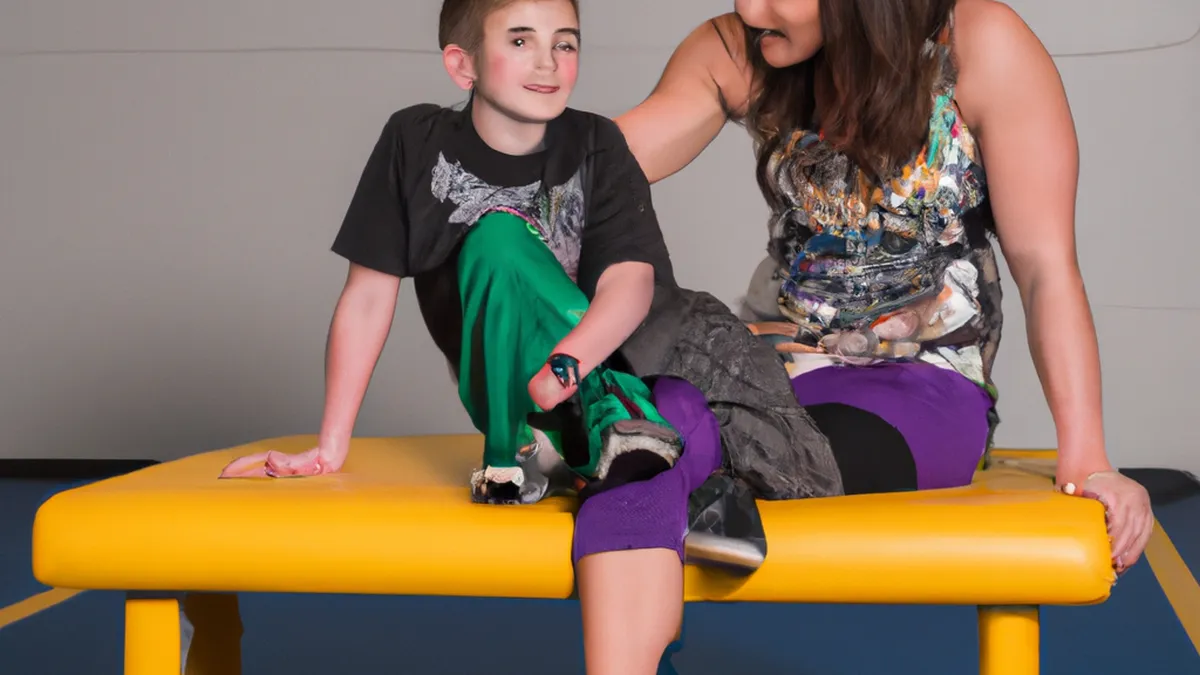
Trust Levels: Coaches vs Athletes
Evaluating Coaching Effectiveness Through Athlete FeedbackCoaching requires knowledge, expertise, and a deep understanding of the athletes. Coaches aim to guide athletes to reach their fullest potential by improving skills, fostering teamwork, or achieving personal bests. How can coaches assess their effectiveness? Athlete feedback serves as a powerful method for evaluation. This feedback provides insights and promotes a culture of growth. In this blog post, we will explore how to gather and use athlete feedback to enhance coaching effectiveness.
As an Amazon Associate I earn from qualifying purchases.
Gear tip: consider kids jump rope, agility rings, and soft medicine ball to support this topic.
The Importance of Athlete Feedback
Athlete feedback plays a crucial role in evaluating coaching effectiveness. First, it offers direct insight into the athlete’s experience. Athletes participate in training and competition; they can share valuable thoughts on sessions, strategies, and team dynamics. Coaches who seek feedback identify improvement areas that might remain hidden.Additionally, soliciting feedback encourages open communication. When athletes feel heard and valued, they engage more in the coaching process. This engagement strengthens the coach-athlete relationship, which builds trust and boosts motivation. A positive relationship helps athletes express their needs and challenges, creating a thriving environment.
Tips for Gathering Feedback
Collecting athlete feedback requires a structured and intentional approach. Here are several effective strategies:
1. Conduct Regular Surveys
Regular surveys provide systematic information. Use short, anonymous questionnaires to gather honest opinions. Anonymity encourages athletes to share true feelings without fear. Ask specific questions about training sessions, coaching style, and team dynamics. Ensure questions are clear and focused to elicit meaningful responses. For example, ask: “On a scale of 1-5, how effective are our training sessions for improving your skills?” or “What aspects of our training need more focus?”
2. Hold One-on-One Meetings
Schedule individual meetings with athletes. These sessions allow personal interaction and deeper conversations. Create a safe space for open dialogue during these meetings. Encourage athletes to share their experiences, including challenges and successes. This personal interaction often yields rich feedback that may not arise in group settings. Prepare guiding questions to facilitate conversation, such as: “What do you find most beneficial in our training sessions?” or “What would you like to change about our practice routine?”
3. Implement Feedback Sessions
Conduct group feedback sessions to promote collaboration. Allow athletes to share thoughts in a group setting and build on each other’s ideas. This approach fosters a supportive environment.
Conclusion
Gathering athlete feedback is essential for evaluating coaching effectiveness. Implementing structured methods enhances communication and trust, ultimately fostering athlete development.
Below are related products based on this post:
FAQ
Why is athlete feedback important for coaches?
Athlete feedback is crucial for evaluating coaching effectiveness as it provides direct insights into the athlete’s experience. It helps coaches identify areas for improvement that may otherwise go unnoticed and fosters open communication, enhancing the coach-athlete relationship.
What are some effective methods for gathering athlete feedback?
Effective methods for gathering athlete feedback include conducting regular surveys, holding one-on-one meetings, and implementing group feedback sessions. These strategies encourage honest communication and allow athletes to share their thoughts and experiences in various formats.
How can feedback sessions promote a supportive environment?
Feedback sessions promote a supportive environment by allowing athletes to share their thoughts in a group setting, which encourages collaboration. This approach enables athletes to build on each other’s ideas and fosters a sense of community and trust among team members.














Post Comment