Coaches vs Athletes: Creating Mutual Support
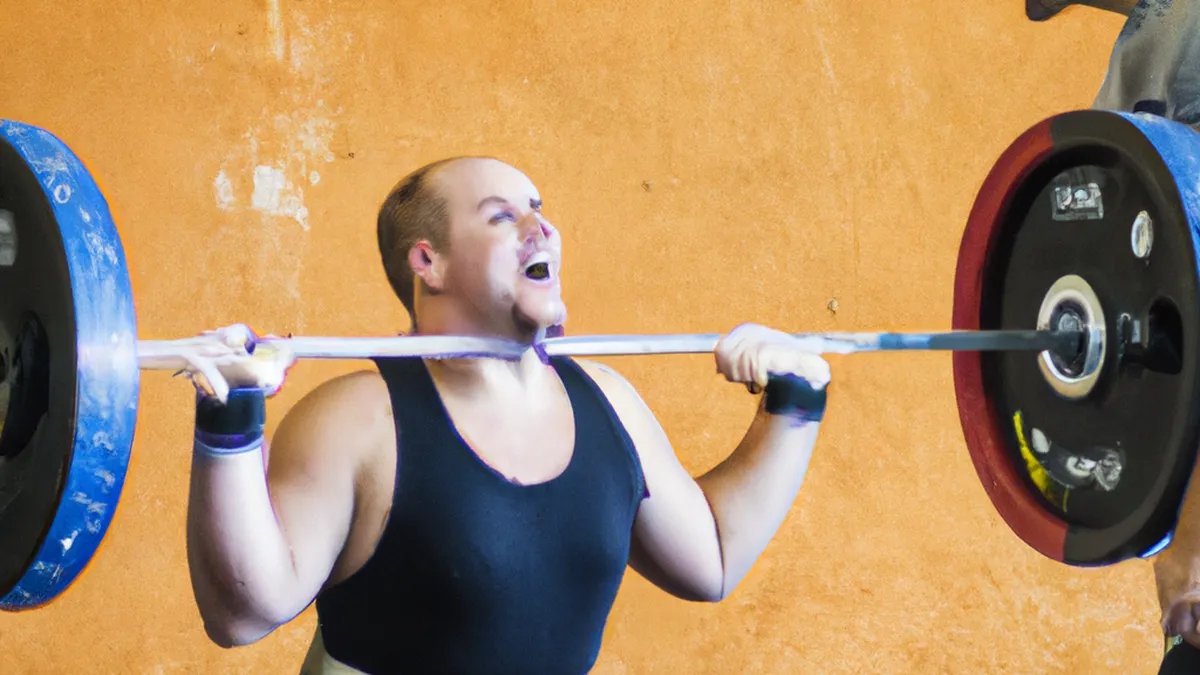
Building a Supportive Weightlifting Community: Strategies for CoachesCoaches should create a supportive weightlifting community for athletes. A strong community boosts motivation, accountability, and personal growth. When athletes feel supported, they stick to their training and achieve their goals. This post explores effective strategies coaches can use to foster a positive weightlifting environment.
As an Amazon Associate I earn from qualifying purchases.
Gear tip: consider foam roller, hip thrust pad, and weightlifting shoes to support this topic.
Foster Open Communication
Open communication forms the backbone of a successful community. Encourage athletes to express their thoughts and feelings. A supportive environment lets individuals share experiences, concerns, and aspirations. Hold regular team meetings to discuss progress and challenges. Invite athletes to talk about their training adjustments.Use group chats or social media for ongoing conversations. This keeps everyone connected and enables quick communication. Athletes can share tips, ask questions, and support one another in real-time. These initiatives promote camaraderie and build a culture of openness within the team.
Use Positive Reinforcement
Positive reinforcement builds a supportive community. Recognize and celebrate athletes’ efforts and accomplishments, big or small. Acknowledge personal milestones, such as personal bests or consistent attendance. Offer verbal praise during training sessions to motivate individuals. When athletes hear encouragement from you, they feel validated and inspired. Implement a rewards system, like “lifter of the week.” Highlight achievements during meetings or on social media. These initiatives foster appreciation and create a supportive atmosphere.
Encourage Team Building Activities
Team building activities strengthen bonds among athletes. Organize events that promote teamwork and camaraderie to enhance community spirit. Activities can include friendly competitions or social gatherings outside the gym.Host potlucks, game nights, or outings to local events. These gatherings help athletes relax and connect outside the weightlifting environment. When athletes build personal relationships, they create a more supportive atmosphere. They are more likely to cheer for each other and offer help when needed.
Provide Individualized Support
Each athlete has unique needs and goals. Recognize these differences to help each athlete succeed. Schedule one-on-one sessions to discuss training plans and obstacles. Listen actively and provide tailored feedback during these discussions.Pair athletes for peer mentoring. More experienced lifters can guide newcomers with techniques and strategies.
Conclusion
Building a supportive weightlifting community enhances motivation and personal growth. Coaches can implement these strategies to create a positive environment.
Below are related products based on this post:
FAQ
Why is a supportive weightlifting community important for athletes?
A supportive weightlifting community boosts motivation, accountability, and personal growth for athletes. When individuals feel supported, they are more likely to stick to their training and achieve their goals.
What role does open communication play in a weightlifting community?
Open communication is essential as it allows athletes to express their thoughts and feelings. Regular team meetings and ongoing conversations through group chats or social media keep everyone connected and promote a culture of openness.
How can coaches provide individualized support to athletes?
Coaches can provide individualized support by recognizing each athlete’s unique needs and goals. Scheduling one-on-one sessions for tailored feedback and pairing experienced lifters with newcomers for mentoring can enhance each athlete’s success.












Post Comment