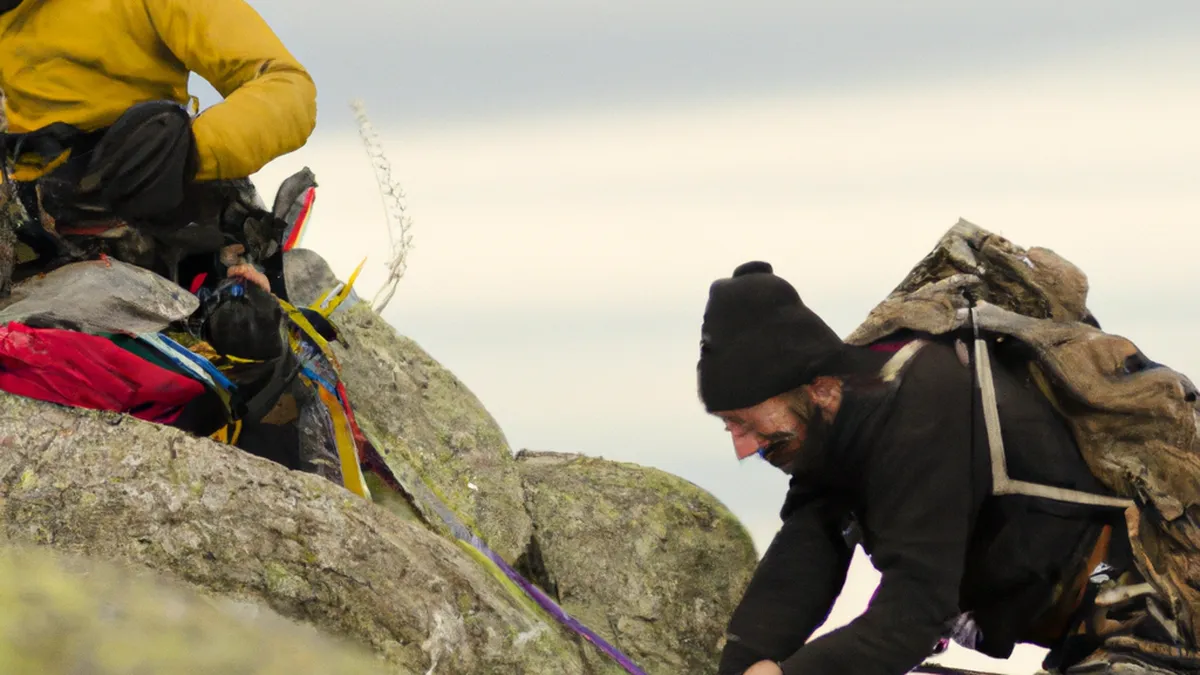
Acclimatization Schedule: 3 Days to Summit
High-Altitude Acclimatization: Preparing Your BodyAs adventure seekers, we dream of conquering high peaks. However, high-altitude climbing presents unique challenges. High-altitude acclimatization plays a crucial role in preparation. Proper acclimatization enhances your climbing experience and safety. Let’s explore how to prepare for your high-altitude adventure.
As an Amazon Associate I earn from qualifying purchases.
Gear tip: consider climbing shoes, chalk bag, and belay device to support this topic.
Understanding High-Altitude Effects
High altitude profoundly affects your body due to lower oxygen levels. As you ascend, thinner air reduces oxygen availability. This lack of oxygen can cause headaches, fatigue, dizziness, and nausea. Collectively, these symptoms are altitude sickness or acute mountain sickness (AMS). AMS can range from mild discomfort to life-threatening conditions.Understanding these effects helps you prepare for high-altitude climbs. Your body needs time to adjust to lower oxygen levels, known as acclimatization.
The Importance of Acclimatization
Acclimatization allows your body to adapt to higher elevations. Gradual exposure to increasing altitudes facilitates this process. Acclimatization can take several days and reduces the risk of altitude sickness. During this time, your body increases red blood cell production and improves lung function.Without proper acclimatization, climbers may face severe altitude sickness. High-altitude pulmonary edema (HAPE) and high-altitude cerebral edema (HACE) can occur. These conditions require immediate descent to lower altitudes. Therefore, acclimatizing correctly ensures a safe and enjoyable climbing experience.
Tips for Effective Acclimatization
To prepare for high altitudes, follow these tips for efficient and safe acclimatization.
Gradual Ascent
One effective strategy involves ascending gradually. Limit your ascent to no more than 1,000 feet (300 meters) per day above 8,000 feet (2,400 meters). This slow progression allows your body to adjust to decreasing oxygen levels. Incorporate rest days during your climb, especially at significant altitude milestones.
Stay Hydrated
Hydration is crucial for acclimatization. Drink plenty of water before and during your ascent. At high altitudes, your body loses water more quickly due to increased respiration and urination. Aim to consume at least three liters of water daily.
Conclusion
In summary, understanding high-altitude effects and proper acclimatization significantly enhances your climbing experience. Follow these tips to ensure a safe adventure.
Below are related products based on this post:
FAQ
What is high-altitude acclimatization?
High-altitude acclimatization is the process by which your body adjusts to lower oxygen levels at higher elevations. This adaptation is essential for reducing the risk of altitude sickness, which can manifest as headaches, fatigue, and nausea. Proper acclimatization can take several days and involves gradually exposing yourself to increasing altitudes.
Why is gradual ascent important for acclimatization?
Gradual ascent is important because it allows your body to adapt to decreasing oxygen levels without overwhelming it. By limiting your ascent to no more than 1,000 feet per day above 8,000 feet, you give your body time to increase red blood cell production and improve lung function. Incorporating rest days also aids in this adjustment process.
How does hydration affect acclimatization?
Hydration plays a critical role in acclimatization as your body loses water more rapidly at high altitudes. Increased respiration and urination can lead to dehydration, which can exacerbate symptoms of altitude sickness. It is recommended to drink at least three liters of water daily to maintain proper hydration during your ascent.














Post Comment