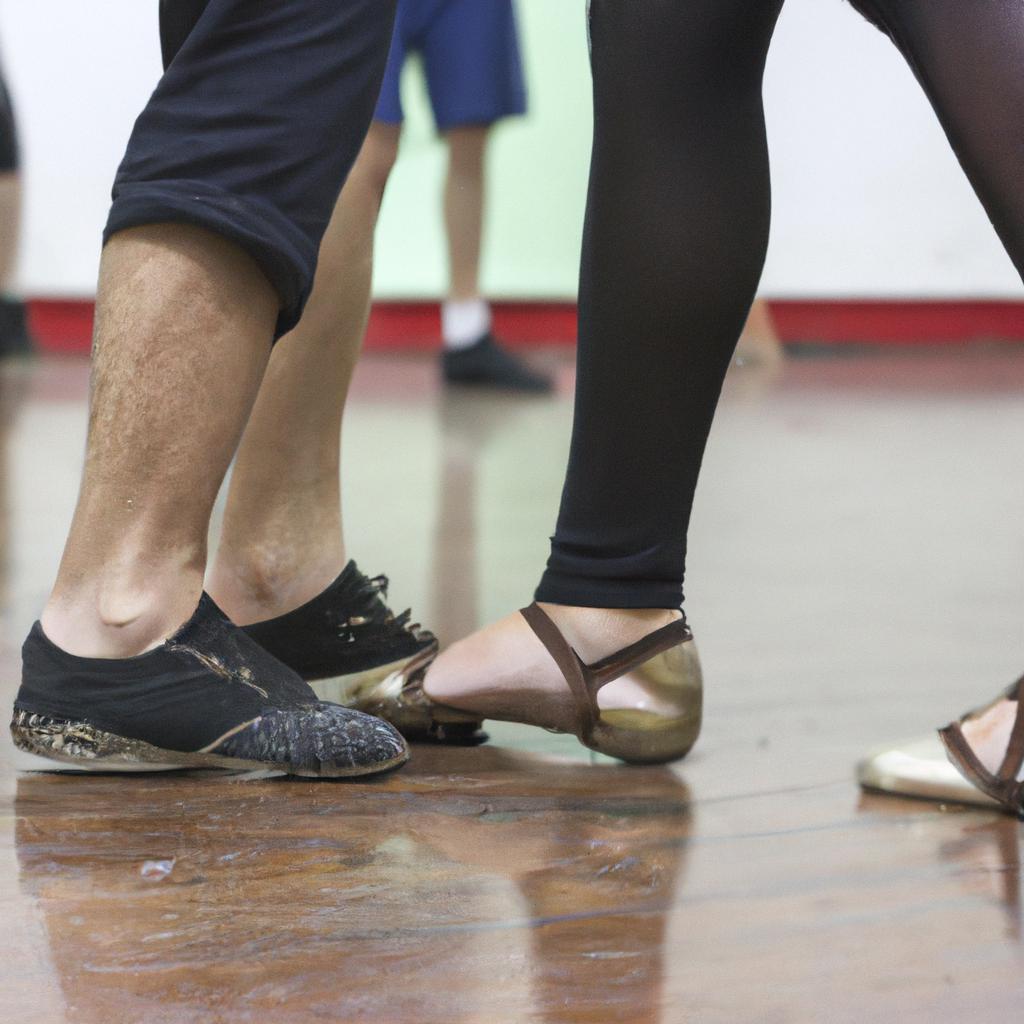
**”Footwork Patterns in Dance: How Understanding and Practicing Various Styles Can Enhance Athletic Performance and Coordination”**
# Footwork Patterns in Dance: How Understanding and Practicing Various Styles Can Enhance Athletic Performance and Coordination
Dance is often viewed as an art form, a means of expression, or a source of entertainment. However, the intricacies of dance also encompass a wealth of physical benefits that extend beyond the dance floor. One of the most significant aspects of dance is its focus on footwork patterns, which can greatly enhance athletic performance and coordination in various sports and physical activities. By understanding and practicing different dance styles, athletes can unlock new levels of agility, balance, and overall body control.
## The Importance of Footwork in Dance
Footwork is the foundation of many dance styles, dictating rhythm, timing, and movement efficiency. Whether it’s the quick, sharp movements of hip-hop or the fluid, graceful steps of ballet, each style offers unique footwork patterns that challenge the dancer’s body and mind.
### How Footwork Patterns Develop Coordination
Practicing various footwork patterns in dance enhances proprioception, which is the body’s ability to sense its position in space. This heightened awareness allows athletes to execute complex movements with precision, reducing the risk of injury and improving their overall performance. For example, the quick changes in direction needed in styles like jazz or tap can help athletes in sports such as basketball or soccer, where agility and quick thinking are crucial.
## Nutrition Tips for Dancers and Athletes
Proper nutrition plays a vital role in optimizing performance and recovery for dancers and athletes alike. Here are some essential nutrition tips to consider:
– **Hydration is Key**: Staying hydrated is crucial for maintaining energy levels and muscle function. Aim for at least 8-10 glasses of water a day, and consider electrolyte-rich drinks during intense training sessions.
– **Balanced Meals**: Incorporate a mix of carbohydrates, proteins, and healthy fats into your meals. Carbohydrates provide the necessary energy for high-intensity training, while proteins are essential for muscle repair and recovery.
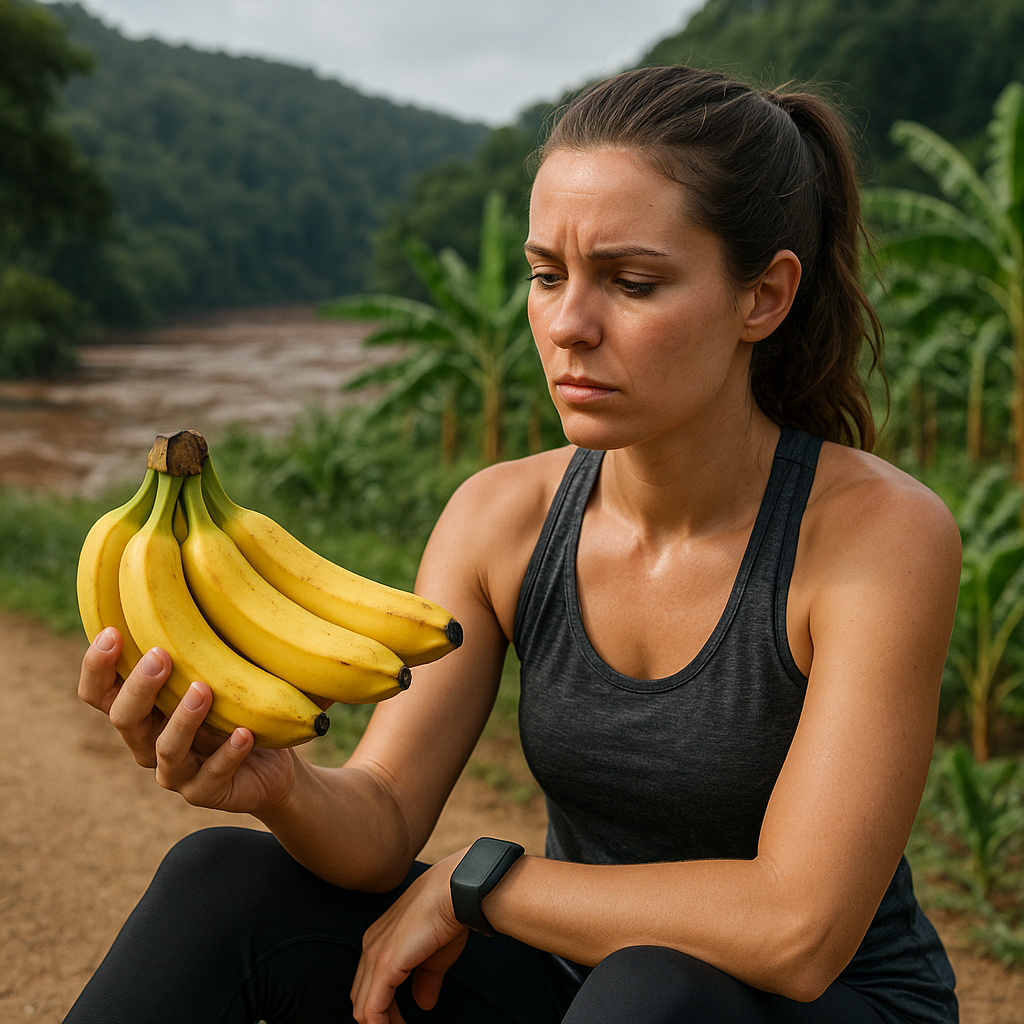
– **Snack Smart**: Utilize nutritious snacks such as fruits, nuts, or yogurt before and after your training sessions to sustain energy levels and promote recovery.
– **Timing Matters**: Pay attention to meal timing. Consuming a balanced meal or snack 30-60 minutes before practice can enhance energy levels, while post-training nutrition is crucial for recovery.
## Exercise Advice for Integrating Dance Footwork
To effectively integrate dance footwork patterns into your athletic training, consider the following exercises:
### Incorporate Dance Drills
– **Shadow Dancing**: Practice the footwork patterns of various dance styles without music. Focus on the precision and speed of your movements, gradually increasing the difficulty.
– **Footwork Ladders**: Use agility ladders to simulate dance steps. Create a routine that mimics different dance styles, emphasizing quick foot placement and coordination.
### Cross-Training with Dance
– **Dance Classes**: Join a local dance class that focuses on a specific style. This structured environment will help you learn proper techniques while improving your footwork.
– **Online Tutorials**: Utilize online dance tutorials that focus on footwork. These can be done at your convenience and can supplement your regular training regimen.
## Health Benefits of Dance Footwork
Incorporating dance footwork into your training routine can lead to several health benefits, including:
### Improved Physical Fitness
Dance is an excellent cardiovascular workout that helps improve endurance, strength, and flexibility. Regular practice can enhance overall fitness levels, making athletes more resilient during their primary sports.
### Enhanced Mental Well-Being
Engaging in dance promotes mental health by reducing stress and anxiety levels. The rhythmic movements and focus required in dance can lead to improved mood and cognitive function.
### Social Connection
Participating in dance classes or community events fosters a sense of belonging and connection with others. This social aspect can enhance motivation, making it easier to commit to regular training.
## Conclusion
Understanding and practicing various footwork patterns in dance can significantly enhance athletic performance and coordination, contributing to improved agility, balance, and overall body awareness. By integrating proper nutrition, tailored exercise advice, and reaping the numerous health benefits associated with dance, athletes can elevate their training and performance levels. Embracing the art of dance not only enriches one’s physical abilities but also nurtures mental and emotional well-being, creating a holistic approach to fitness and performance.












Post Comment