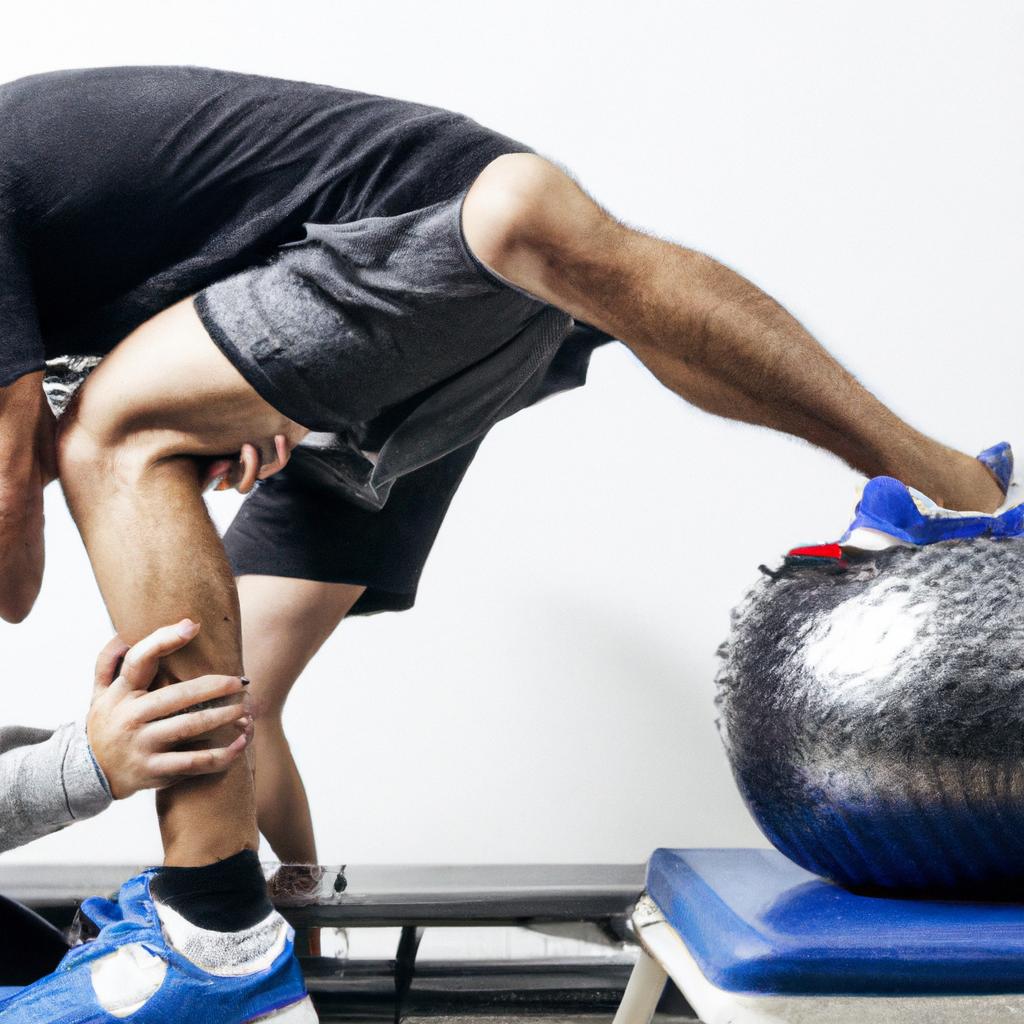
**”The Role of Postural Alignment in Athletic Recovery: Techniques to Restore Balance and Prevent Injury After Intense Workouts”**
# The Role of Postural Alignment in Athletic Recovery: Techniques to Restore Balance and Prevent Injury After Intense Workouts
Athletic training is a demanding process that pushes the body to its limits. However, the intensity of workouts can lead to muscle imbalances, misalignments, and increased risk of injury if not addressed properly. Postural alignment plays a crucial role in athletic recovery, aiding in the restoration of balance and the prevention of future injuries. This blog post will explore various techniques for maintaining proper alignment, the importance of nutrition and exercise in recovery, and the health benefits that come with maintaining proper posture.
## Understanding Postural Alignment
Postural alignment refers to how the body positions itself in relation to gravity. Proper alignment ensures that the body’s joints, muscles, and ligaments work together efficiently, minimizing stress and strain during physical activity. When athletes neglect alignment, they may experience discomfort, pain, and even injuries.
### Common Postural Misalignments
1. **Forward Head Posture**: Often seen in athletes who spend long hours training with their heads forward, this can lead to neck and upper back pain.
2. **Rounded Shoulders**: Common in weightlifters and swimmers, rounded shoulders can cause shoulder impingement and rotator cuff injuries.
3. **Pelvic Tilt**: Anterior or posterior pelvic tilt can result in lower back pain and affect overall stability and strength.
## Nutrition Tips for Recovery and Alignment
Nutrition plays a vital role in athletic recovery and overall postural alignment. A well-balanced diet provides the necessary nutrients that aid in muscle repair, reduce inflammation, and support joint health.
### Key Nutrients for Recovery
1. **Protein**: Essential for muscle repair, aim for lean sources like chicken, turkey, fish, and plant-based proteins such as beans and lentils.
2. **Omega-3 Fatty Acids**: Found in fatty fish, walnuts, and flaxseeds, these help reduce inflammation and promote joint health.
3. **Magnesium**: Crucial for muscle relaxation and recovery, magnesium is abundant in leafy greens, nuts, and whole grains.
4. **Hydration**: Always prioritize hydration, as proper fluid balance is essential for optimal muscle function and recovery.
### Sample Recovery Meal
A post-workout meal should ideally consist of protein and carbohydrates. For example, a bowl of quinoa topped with grilled chicken, sautéed spinach, and a sprinkle of walnuts makes for a nutritious recovery meal, balancing protein, healthy fats, and complex carbohydrates.
## Exercise Advice for Postural Alignment
Incorporating specific exercises into your routine can help improve postural alignment and support recovery.
### Stretching and Flexibility
1. **Foam Rolling**: This technique helps release muscle tightness and improve blood flow. Focus on areas that feel tight or sore.
2. **Dynamic Stretching**: Before workouts, include dynamic stretches like arm circles and leg swings to prepare the body for movement.
3. **Static Stretching**: Post-workout, static stretches targeting the hip flexors, hamstrings, and shoulders can help maintain flexibility and alignment.
### Strengthening Exercises
1. **Core Stabilization**: Strengthening the core through exercises like planks and bridges supports spinal alignment and overall posture.
2. **Postural Exercises**: Incorporate exercises that promote proper alignment, such as wall angels and chin tucks, to strengthen the muscles that support good posture.
## Health Benefits of Proper Postural Alignment
Maintaining proper postural alignment offers a myriad of health benefits that extend beyond athletic performance.
### Injury Prevention
Proper alignment minimizes stress on joints and muscles, significantly reducing the risk of injuries, such as strains and sprains.
### Enhanced Performance
When the body is aligned correctly, athletes can perform movements more efficiently, leading to improved performance and endurance.
### Improved Recovery
Proper alignment can facilitate better blood circulation, promoting quicker recovery times and reducing muscle soreness after workouts.
### Overall Well-Being
Maintaining good posture can lead to improved mental health, as it often correlates with increased confidence and reduced anxiety levels.
## Conclusion
Incorporating techniques for postural alignment into your recovery routine is essential for restoring balance, preventing injuries, and enhancing overall athletic performance. By focusing on nutrition, engaging in targeted exercises, and understanding the health benefits of proper alignment, athletes can optimize their recovery process and enjoy a healthier, more balanced lifestyle. Prioritizing postural alignment is not just a strategy for immediate recovery; it is a long-term investment in your athletic journey.













Post Comment