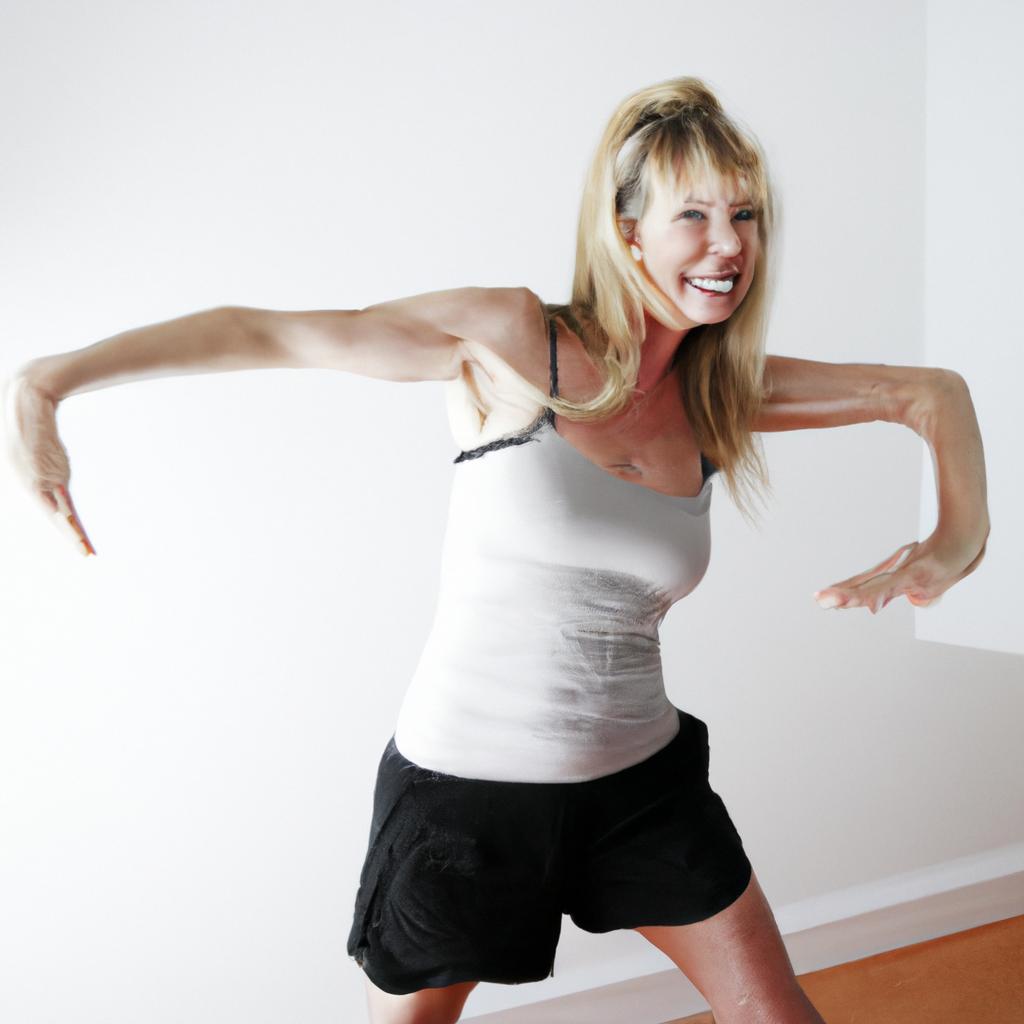
**”The Benefits of Dance-Based Home Workouts: How Rhythm and Movement Enhance Fitness and Joy”**
# The Benefits of Dance-Based Home Workouts: How Rhythm and Movement Enhance Fitness and Joy
In today’s fast-paced world, finding time to exercise can often feel like a daunting task. However, dance-based home workouts offer a fun and effective solution that combines fitness with rhythm and joy. Whether you’re a seasoned dancer or someone who has two left feet, integrating dance into your home workout routine can enhance your physical health, improve your mood, and foster a sense of community—even when you’re exercising solo. This blog post will explore the numerous benefits of dance-based workouts, offer nutrition and exercise advice, and highlight the health benefits that come with moving to the beat.
## The Joy of Movement
### Embracing Rhythm
Dance is a natural expression of movement that allows individuals to connect with their bodies in a unique and enjoyable way. Unlike traditional workouts that often focus solely on building strength or endurance, dance encourages you to embrace rhythm and fluidity. This can reduce the monotony often associated with exercising, making it easier to stick to a regular workout routine. When the music starts, the body responds, and the joy of movement takes over, transforming a mundane workout into an exhilarating experience.
### Boosting Mood
Engaging in dance-based workouts not only benefits the body but also uplifts the spirit. Research has shown that physical activity releases endorphins, the body’s natural mood lifters. Dance, in particular, is known for its ability to elevate mood due to its rhythmic and often social nature. As you move to the music, you may find stress dissipating and happiness taking its place. This emotional boost can enhance your overall mental well-being, making it easier to tackle daily challenges.
## Nutrition Tips
### Fueling Your Dance Workouts
To maximize the benefits of your dance-based workouts, it’s essential to fuel your body with the right nutrients. Here are some nutrition tips to keep in mind:
1. **Hydration is Key**: Before you hit the dance floor, be sure to drink plenty of water. Staying hydrated helps maintain energy levels and prevents fatigue.
2. **Balanced Meals**: Incorporate a mix of carbohydrates, proteins, and healthy fats in your diet. Complex carbohydrates, like whole grains and fruits, provide sustained energy, while proteins aid in muscle recovery.
3. **Pre-Workout Snacks**: An hour before your dance session, enjoy a light snack, such as a banana or a handful of nuts. This can give you the energy boost you need without weighing you down.
4. **Post-Workout Recovery**: After your dance workout, refuel with a combination of protein and carbs. A smoothie with yogurt and fruits or a veggie omelet can be an excellent choice.
## Exercise Advice
### Finding Your Rhythm
When starting a dance-based workout routine, consider the following tips to enhance your experience:
1. **Choose Your Style**: Explore various dance styles—from Zumba and hip-hop to ballet and salsa. Find what resonates with you and keeps you motivated.
2. **Set Realistic Goals**: As with any fitness routine, setting achievable goals can help track your progress. Aim for a certain number of sessions each week or work towards mastering a specific dance move.
3. **Create a Playlist**: Curate a playlist of your favorite upbeat songs to energize your workouts. Music plays a pivotal role in dance, and having tunes you love can make a significant difference in your motivation.
4. **Stay Consistent**: Try to incorporate dance workouts into your regular exercise routine. Aim for at least 30 minutes, three to five times a week, to see noticeable improvements in your fitness and mood.
## Health Benefits
### Physical and Mental Wellness
Dance-based home workouts offer a plethora of health benefits, making them an appealing choice for fitness enthusiasts and novices alike. Here are some key advantages:
1. **Improved Cardiovascular Health**: Dancing gets your heart pumping and blood circulating, which can enhance cardiovascular endurance and overall heart health.
2. **Enhanced Flexibility and Coordination**: The various movements in dance improve flexibility and coordination, which can contribute to better overall physical performance and reduce the risk of injury.
3. **Weight Management**: Regular dance workouts can help burn calories, making it easier to maintain a healthy weight or achieve weight loss goals when combined with a balanced diet.
4. **Social Connection**: Even when dancing at home, you can connect with others through virtual classes, online dance challenges, or sharing your dance journey on social media, fostering a sense of community.
## Conclusion
Incorporating dance-based home workouts into your fitness routine not only enhances physical health but also promotes joy and emotional well-being. By embracing rhythm, fueling your body with nutritious foods, and finding enjoyment in movement, you can reap the myriad benefits that dance offers. Ultimately, the combination of fitness and fun makes dance an exceptional way to stay active while nurturing your mental and emotional health. So put on your dancing shoes, turn up the music, and let the rhythm guide you to a healthier, happier you!














Post Comment