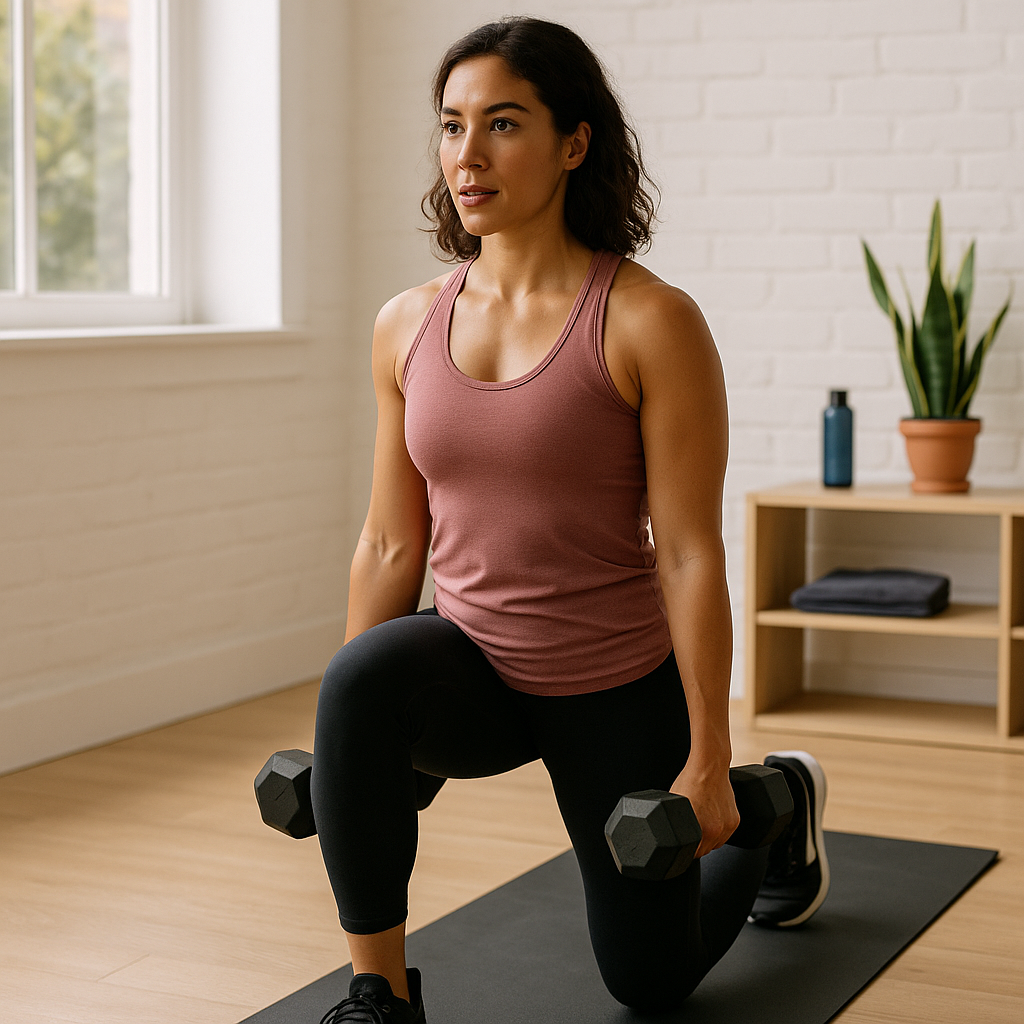
Get Race-Ready With Just 30 Minutes of Strength Work a Few Times a Week
Quick Summary
- Two to three 25–35 minute strength sessions per week is enough to boost running performance and prevent injury.
- Focus on full-body, run-specific moves: single-leg strength, glute/hamstring emphasis, core stability, and mobility.
- Progress gradually across 6–12 weeks and taper strength volume as race day approaches.
If you’re training for a 5K, half marathon, or any road race, the secret to being truly race-ready isn’t just more miles—it’s smarter strength work. You don’t need hour-long gym sessions. With a plan of focused, half-hour workouts two to three times a week, you’ll build power, resilience, and economy that transfer directly to better runs and fewer days off due to injury.
Why Strength Training Matters for Runners
Strength training improves muscular endurance, running economy, and force production. That means you can maintain pace longer, handle fatigue better, and recover faster. Strong hips and posterior chain muscles protect the knees and lower back, while single-leg stability reduces side-to-side wasteful movement. For a practical primer on how to align strength work with running, see this guide to the right strength plan for running.
How Much Strength Training You Really Need
Quality beats quantity. Aim for:
- 2 sessions/week for maintenance and injury prevention
- 3 sessions/week to build strength and power (great for improving speed or tougher race goals)
- Each session: 25–35 minutes, including a short warm-up
In a typical training week, pair strength sessions with easy runs or recovery days. On hard interval or long-run days, keep strength lighter or skip it. As race day approaches (last 7–10 days), reduce the intensity and volume of strength work while keeping mobility and short activation sessions to stay sharp.
Sample 30-Minute Strength Sessions
Rotate between Session A, B, and C across the week. Warm up 5 minutes before each (dynamic mobility, leg swings, light jogging, banded glute activation).
Session A — Strength Foundation (25–30 minutes)
- Warm-up: 5 minutes
- Reverse lunges: 3×8–10 per leg (60–90s rest)
- Romanian deadlifts (dumbbells or kettlebell): 3×8–10
- Single-leg step-up or box step: 3×8 per leg
- Plank with shoulder taps: 3×30–45 seconds
- Hip bridges or single-leg glute bridges: 3×10–12
Session B — Power and Plyo (25–30 minutes)
- Warm-up: 5 minutes
- Jump squat or squat to calf raise: 4×6–8 (explosive, full recovery)
- Alternate lateral bounds or skater hops: 3×8–10 per side
- Walking lunges with light weight: 3×12–16 steps total
- Dead bug or pallof press: 3×10–12 per side
- Calf raises: 3×12–20
Session C — Stability & Mobility (25–30 minutes)
- Warm-up: 5 minutes
- Single-leg RDL to knee drive (balance): 3×8 per leg
- Bulgarian split squats: 3×6–8 per leg
- Side plank with leg lift: 3×20–30 seconds per side
- Banded monster walks or clamshells: 3×15–20
- Finish with 5 minutes foam rolling and hip mobility
Progression and Periodization
Start with lower loads and focus on technique for the first 2–4 weeks. Then increase load, reps, or decrease rest to add stimulus. For power, keep reps low and focus on speed of movement. Over a 12-week block: 4 weeks technique/conditioning, 4 weeks build strength/power, 4 weeks peak and taper toward your race.
Practical Steps to Fit Strength Into a Busy Schedule
- Block your week: Put two 30-minute slots in your calendar like workouts you won’t miss.
- Pair with easy runs: Do strength after an easy run or on cross-training days to simplify planning.
- Use minimal equipment: A pair of dumbbells/kettlebell, a resistance band, and a mat are enough.
- Keep intensity appropriate: If you’ve done a hard interval workout, make the strength session lighter or skip.
- Track progress: Log exercises, load, reps, and perceived effort. Small, consistent increases matter.
Checklist: What You Need
- Short warm-up routine (5 minutes) — dynamic hip swings, leg swings, light jog
- Equipment: dumbbells (5–25 lb, depending on strength), kettlebell (optional), resistance bands, yoga mat
- Space for single-leg and plyometric moves
- Foam roller and mobility tool for cooldowns
- Calendar or training log to schedule and track sessions
- Optional reading: a full guide to the right strength plan for running to tailor the program to your race distance.
Common Mistakes Runners Make With Strength Training
- Doing too much, too soon: High volume and heavy lifts without a build-up lead to fatigue and injury. Start light and progress.
- Ignoring single-leg work: Running is single-leg; bilateral-only exercises miss important stability and imbalance correction.
- Skipping mobility and activation: Strength without good movement patterns can reinforce poor mechanics.
- Failing to taper: Maintaining high-load strength up to race day can zap your speed. Reduce volume and intensity in the final week.
- Not tracking progress: Without measurable progression, workouts become stale and ineffective.
How Strength Helps on Race Day
Strength work increases force output from the hips and legs, improving stride power and allowing you to maintain a faster pace with less perceived effort. It also reduces the risk of common running injuries by balancing muscular endurance and correcting weaknesses you may not notice in daily runs. For practical race-week prep that combines strength and pacing principles, this article on finding long run pace can be a helpful companion.
Where to Go From Here
If you want a tailored toolkit for race prep — including gear, a strength plan, and run-specific workouts — consider a custom running toolkit to assemble what fits your schedule and goals. For equipment ideas that make sessions efficient, minimal kits and resistance bands will serve you well.
Conclusion
Becoming race-ready doesn’t require hours in a gym. With two to three focused 25–35 minute strength sessions each week, you’ll build the power, stability, and resilience that translate into faster, more consistent race performances. Schedule them like any other key workout, progress gradually, avoid the common mistakes listed above, and taper intelligently before race day. If you’re unsure how to start or how to adapt exercises for an injury, consult a coach or physical therapist to create a plan tailored to you.
Practical Steps & Quick Checklist
- Pick 2–3 days per week and block 30 minutes in your calendar.
- Choose one session from A, B, or C and warm up thoroughly.
- Log weight, reps, and how it felt after each session.
- Progress one variable (load, reps, rest) every 1–2 weeks.
- Taper strength in the last 7–10 days before race day; keep mobility and short activation sessions.
FAQ
1. How soon before a race should I start strength training?
Start at least 8–12 weeks before your target race to build meaningful strength safely. If you have less time, even 4 weeks of focused work can help reduce injury risk and improve readiness. Talk to a coach or physical therapist if you have a recent injury.
2. Will strength training make me bulky and slower?
No—typical runner-oriented strength work (moderate loads, higher reps, and plyometrics) increases power and efficiency without significant muscle bulk. Bulking requires a high-calorie surplus and specific hypertrophy protocols not used in these short sessions.
3. Can I only do bodyweight exercises if I don’t have equipment?
Yes. Bodyweight lunges, single-leg squats, glute bridges, step-ups, and plyometrics are effective. Bands add helpful resistance if you can get them, but you can make meaningful progress with no equipment.
4. How do I fit strength with long runs and speed workouts?
Schedule strength on easy or moderate days, not on the day of a hard interval or a long run. If forced to pair, do strength after an easy run, or keep the strength session short and low-volume on heavy running days.
5. Should I include plyometrics and hill sprints in my plan?
Yes, in moderation. Plyometrics and hill sprints develop power and improve running economy. Include them once a week during the build phase, keeping volume low and focusing on form. Avoid high-impact plyometrics close to race day.
Note: This article provides general guidance. For individualized exercise modifications, injury concerns, or medical advice, consult a qualified coach, trainer, or healthcare professional.
Part of the Complete Strength Training Guide
Explore more: Endurance & Running Training Hub














3 comments